


This article is for informational purposes only. It is not, nor is it intended to be, a substitute for professional medical advice, diagnosis, or treatment and should never be relied upon for specific medical advice.
Best overall for temporary external odor: warm water; best optional external cleanser: Kushae Gentle 2-n-1 Foaming Wash. For diagnosed BV, clinician-prescribed treatment takes priority; boric acid belongs only in selected care plans, not an automatic after-sex routine.
TL;DR
- The best products for vaginal odor after sex depend on whether odor comes from external skin or a vaginal condition.
- Kushae offers an optional external cleanser, not a BV treatment.
- Persistent fishy odor needs assessment, not deodorant.
- Boric acid requires safety precautions and is not appropriate during pregnancy.
Why this matters
In 2026, the useful distinction remains simple: cleaning the vulva is not treating the vagina. Odor alone cannot establish a diagnosis.
What makes the best products for vaginal odor after sex
- Correct location: External skin and the vaginal canal need different care.
- Clear purpose: Cleansing is not infection treatment.
- Evidence: Clinical guidance matters more than deodorizing claims.
- Tolerance: Avoid products that cause burning or irritation.
- Safety: Pregnancy and recurring symptoms change the decision.
Your options at a glance
| Option | Best for | Standout feature | Key limitation |
|---|---|---|---|
| Warm water | Temporary external sweat or residue | Product-free external cleansing | Does not treat BV or another infection |
| Kushae Gentle 2-n-1 Foaming Wash | Readers choosing an external cleanser | A wash option from an OB/GYN-developed care line | Formula tolerance needs individual assessment; not BV treatment |
| Clinician-prescribed metronidazole | Diagnosed BV when prescribed | A CDC-recommended treatment option | Requires diagnosis and treatment instructions |
| Kushae Vaginal Boric Acid Suppositories + Probiotics & Aloe! | Selected clinician-directed recurrent-condition plans | An intravaginal boric acid option | Not routine after-sex care; unsafe to swallow |
These options serve different jobs. A wash and a prescribed medication are not substitutes, and a suppository does not become necessary just because odor follows sex.
1. Warm water: best for temporary external odor
Warm water is the default when you want to remove sweat or residue from external intimate skin after sex. Gently rinse the vulva, then pat dry without scrubbing. Do not direct water into the vaginal canal or douche.
The vulva is the external genital area. The vagina is the internal canal, which does not need washing after sex. The American College of Obstetricians and Gynecologists' patient guidance on vulvovaginal health supports avoiding douching and irritating intimate-care products.
Warm water pros:
- Requires no added cleansing ingredients.
- Lets you remove external residue without adding another product.
- Keeps a simple routine simple.
Warm water cons:
- Does not treat BV, yeast, or a sexually transmitted infection.
- Repeated washing and scrubbing can still irritate skin.
Best for: A temporary change in external scent without persistent discharge, pain, itching, or burning.
Verdict: Hold on buying an odor product. Start with gentle external rinsing. If odor persists, the next step is assessment rather than stronger cleansing.
2. Kushae Gentle 2-n-1 Foaming Wash: best optional external cleanser
This is an external wash option, not an intravaginal treatment. Kushae Gentle 2-n-1 Foaming Wash is best for readers choosing an optional external cleanser, not a BV treatment.
The brand describes its care line as OB/GYN-developed. That describes product development; it does not establish that this particular wash treats infection or prevents odor after sex. Review the current ingredient list and directions before deciding whether it fits your sensitive skin.
Foaming wash pros:
- Provides a cleanser option for an external-care routine.
- Has a different purpose from intravaginal suppositories.
- Comes from an OB/GYN-developed vulvovaginal care line.
Foaming wash cons:
- Cannot diagnose or treat the cause of persistent vaginal odor.
- Individual tolerance cannot be predicted from the product name.
- A cleanser is optional, not a requirement for vaginal health.
Best for: Readers who prefer an external wash and can use its ingredients without irritation.
For sensitive skin, inspect the full label rather than relying on terms such as natural, feminine, or pH-balanced. Fragrance and other ingredients can irritate susceptible vulvar skin; ACOG's guidance on disorders of the vulva advises avoiding irritants. Stop using a product that causes burning, stinging, redness, or worsening discomfort.
Verdict: Buy only for external cleansing if the label and your skin tolerance fit. Skip it as a solution for suspected BV.
3. Clinician-prescribed metronidazole: best for diagnosed BV
Metronidazole is an antibiotic used to treat bacterial vaginosis. The CDC's STI Treatment Guidelines list oral metronidazole and vaginal metronidazole gel among recommended BV regimens. A clinician selects treatment based on your diagnosis and circumstances.
This option ranks above cosmetic odor control when BV is confirmed because it treats the diagnosed condition. It is not a general freshness product, and a fishy smell alone does not prove you have BV.
Prescribed metronidazole pros:
- Has an established role in BV treatment.
- Is available in oral and vaginal treatment forms.
- Comes with a defined treatment plan rather than open-ended deodorizing.
Prescribed metronidazole cons:
- Can cause side effects; discuss these with the prescriber.
- Does not treat every cause of vaginal odor or irritation.
- Does not guarantee that BV will never recur.
Best for: People diagnosed with BV for whom a clinician recommends metronidazole.
Tell the clinician if symptoms keep returning, if pregnancy is possible, or if you have had a medication reaction. Follow the prescribed course rather than borrowing medication or repeating an old prescription on your own.
Verdict: Buy or fill only when prescribed for your diagnosis. Do not replace prescribed BV treatment with a wash or deodorant.
4. Kushae boric acid suppositories: best for selected care plans
Kushae Vaginal Boric Acid Suppositories + Probiotics & Aloe! is an intravaginal product. Its listed ingredients distinguish it from an external wash, but general evidence about boric acid does not establish results for this specific combination formula.
The CDC's recurrent-BV guidance describes vaginal boric acid at 600 mg daily for 21 days as one component of a clinician-directed sequence for selected patients with multiple recurrences. The guidance describes limited data; it does not recommend boric acid as routine prevention after sex. Those figures describe the clinical guidance, not verified specifications or instructions for this product.
Boric acid suppository pros:
- Provides an intravaginal option when a clinician specifically recommends boric acid.
- Belongs to a category discussed in guidance for selected recurrent conditions.
- Serves a different purpose from external cleansing.
Boric acid suppository cons:
- Is poisonous if swallowed and must never be taken by mouth.
- Can cause local irritation.
- Should not be used during pregnancy or when pregnancy is possible without medical guidance.
- Does not replace testing for BV, yeast, or sexually transmitted infections.
Best for: Adults whose clinician has recommended a boric-acid-containing plan after evaluating recurrent symptoms.
Keep suppositories away from children and pets. Discuss sexual activity and oral contact with your clinician or pharmacist, since the product must not be ingested. If someone swallows boric acid, contact Poison Control immediately.
Verdict: Hold unless a clinician recommends it for your situation. Skip automatic after-sex insertion.
Match the care to the location
External sweat, vaginal discharge, and irritated skin are different problems. Treating them as interchangeable can leave the actual cause unaddressed.
- External skin: Gentle rinsing removes surface residue. An optional cleanser belongs only where its directions permit.
- Vaginal symptoms: Persistent odor, changed discharge, or internal discomfort needs assessment rather than washing inside.
- Medical assessment: A clinician can decide whether examination, vaginal testing, or STI testing is appropriate.
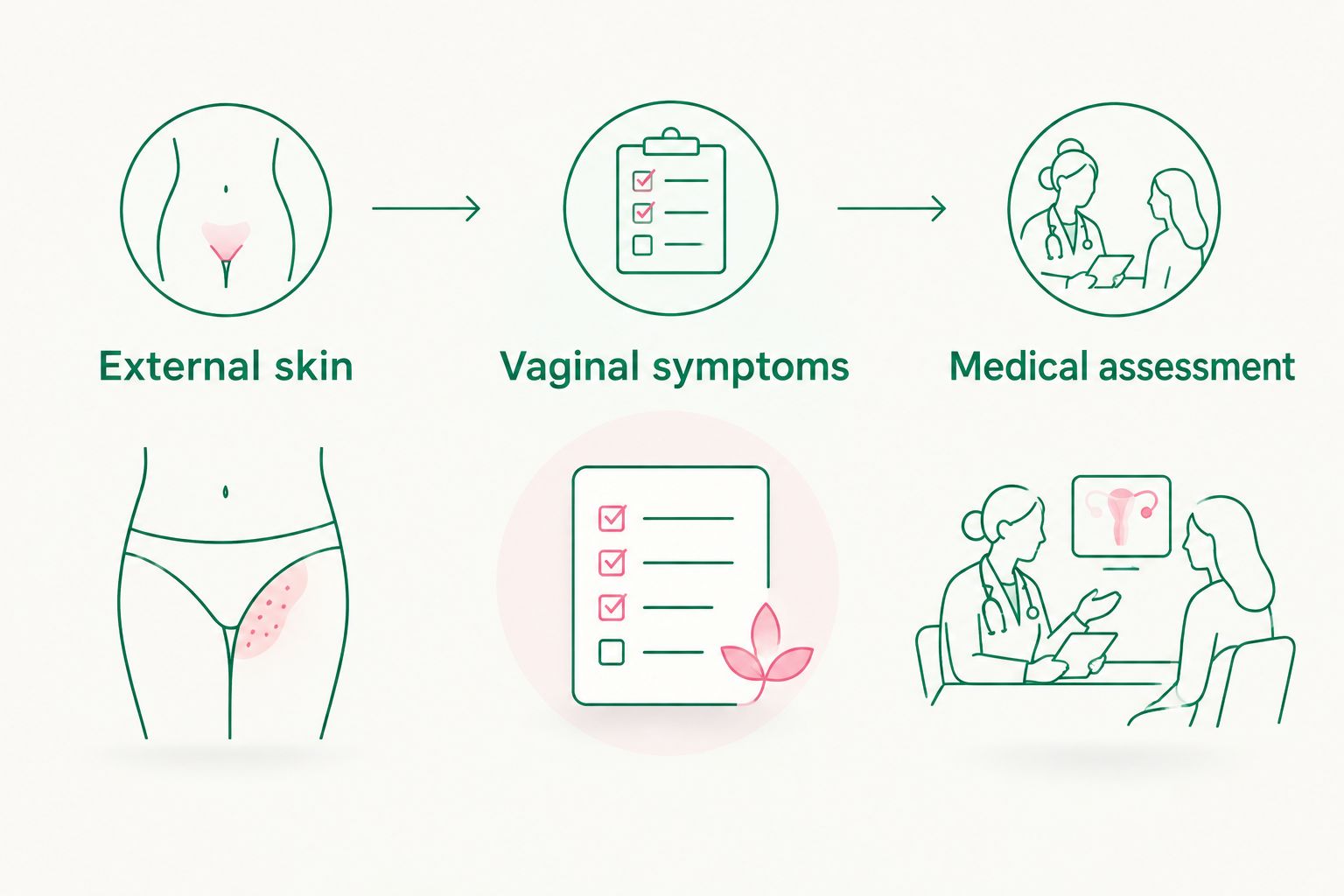
For this 2026 comparison, location comes before product format. A spray, balm, or wash cannot establish why vaginal odor is recurring. Adding more products also makes it harder to identify which one is irritating your skin.
What odor after sex can—and cannot—tell you
Semen is more alkaline than the usual acidic vaginal environment, so exposure can temporarily change vaginal pH. In reproductive-age adults, vaginal pH is commonly around 3.8–4.5 pH units, although menstruation, menopause, and other circumstances affect it. A pH change is not a diagnosis.
The CDC describes BV as a change in the vaginal bacterial community; fishy odor is one possible symptom. Trichomoniasis can also cause abnormal discharge and odor. You cannot reliably distinguish these conditions by smell or by when the smell appears.
For 2026 purchasing decisions, use ACOG's patient guidance on vaginitis and the CDC's BV and trichomoniasis guidance as the medical reference points. These sources support evaluating persistent symptoms, not using an article or home pH result to select infection treatment.
When to arrange care
Book an appointment for recurring fishy odor, new or unusual discharge, itching, burning, painful urination, or pain during sex. Mention new partners, condom use, products used, and whether symptoms follow semen exposure.
Seek prompt medical care for fever, pelvic or lower abdominal pain, or concern about a retained tampon. If you are pregnant and develop vaginal symptoms, contact your pregnancy-care clinician rather than trying boric acid or another intravaginal product yourself.
How these options were ranked
The 2026 ranking prioritizes the correct care location, clinical purpose, evidence, tolerance, and safety. It separates ordinary external cleansing from treatment of a diagnosed condition.
No head-to-head product testing or formula-specific clinical results establish a winner here. The external wash earns a place as an optional cleanser; prescribed medication earns its place for confirmed BV; boric acid remains conditional. Neither product-development credentials nor general ingredient research proves that a finished formula treats post-sex odor.
Which option should you choose?
Choose warm water first for temporary external residue. Choose medical assessment first for recurring vaginal odor. Those are different decisions, and neither requires an elaborate intimate-care routine.
If you want a cleanser, choose according to its directions, ingredients, and your tolerance. If BV is diagnosed, follow the prescribed treatment. Add boric acid only when your clinician explains its purpose, precautions, and place in the plan.
FAQ
What's the best product for vaginal odor after sex?
The best choice depends on the cause: warm water suits temporary external residue, while persistent vaginal odor needs assessment. An external wash does not treat BV, and boric acid is not a routine after-sex requirement.
Does a fishy smell after sex mean I have BV?
A fishy smell can occur with BV, but smell alone does not establish the diagnosis. The CDC describes other possible causes of abnormal discharge and odor, including trichomoniasis, so recurring symptoms need evaluation.
Can I use a feminine wash inside my vagina?
No. Use an external cleanser only as its label directs, and do not douche or wash inside the vaginal canal. ACOG advises against douching because it can disturb the vaginal environment.
Should I use boric acid every time I have sex?
No. CDC guidance discusses boric acid in selected recurrent-condition treatment plans, not as a universal after-sex routine. Ask a clinician whether it has a role in your care before using it.
Is boric acid safe if I might be pregnant?
Do not self-treat with boric acid if you are pregnant or pregnancy is possible. Contact a clinician for evaluation and a pregnancy-appropriate treatment plan.
Is a pH-balanced wash better than water for preventing BV?
A pH-balanced label does not establish that an external wash prevents BV. Water is a product-free option for external rinsing; recurring vaginal symptoms require a separate assessment.
What should I tell my clinician about recurring odor in 2026?
Describe when the odor starts, whether it returns, and any discharge, pain, itching, or burning. Also mention pregnancy possibility, sexual exposures, and all external or intravaginal products you use.
One last thing
Before buying another product in 2026, write down what touches the area. Include lubricants, condoms, cleansers, wipes, sprays, and suppositories, then bring that list to your appointment. It gives your clinician useful context without asking you to diagnose yourself.
A healthy vagina does not need to be odorless. Your goal is comfortable skin and appropriate care for changing symptoms—not eliminating every normal scent.


